
Tile Roof vs Shingle Roof in Los Angeles: Cost, Lifespan, and Performance
Tile roof cost vs shingles in LA: $15K-$40K for tile, $8.5K-$18K for shingles. Compare lifespan, energy savings, fire ratings, and which fits your home.
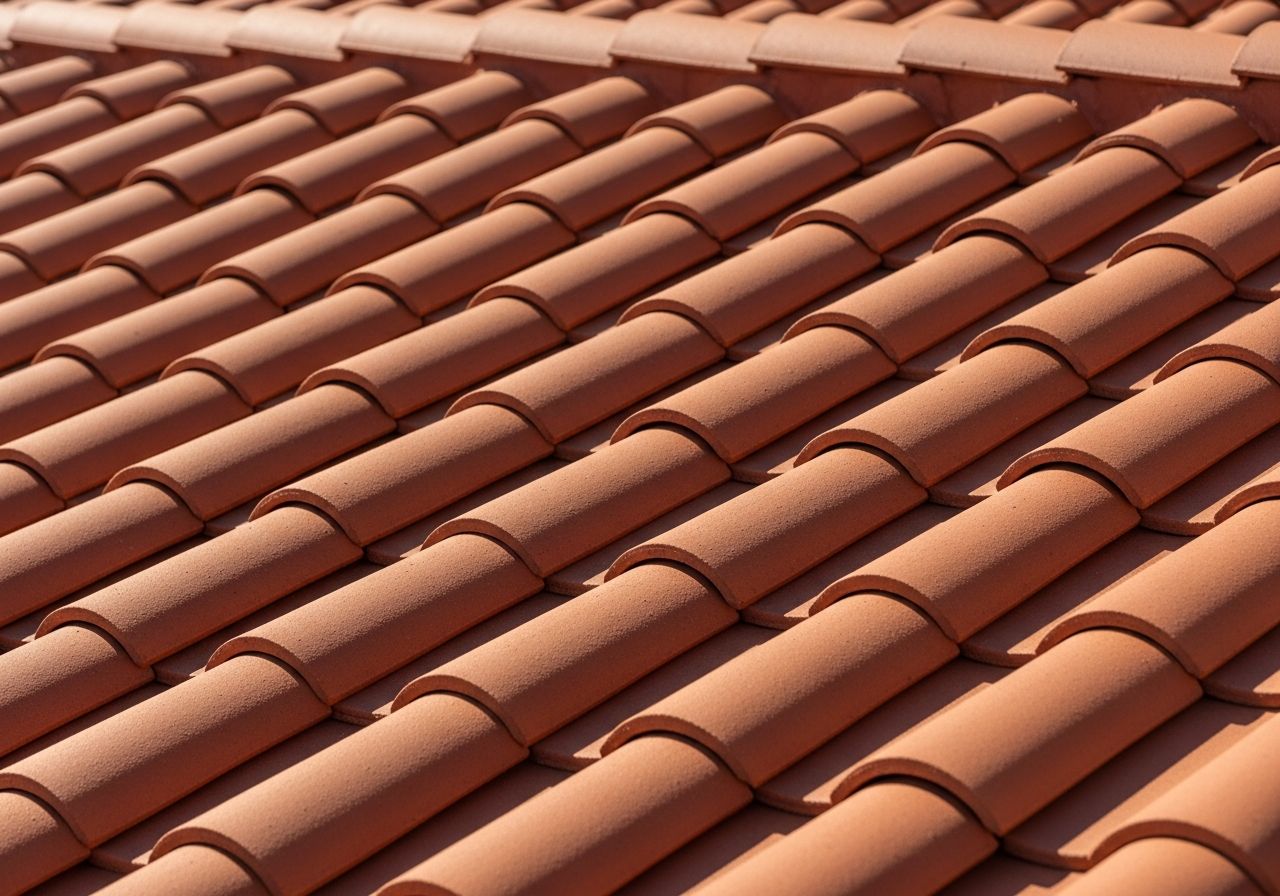
Los Angeles homeowners picking a new roof usually narrow it down to two options: asphalt shingles or tile. Both are everywhere in LA, but they perform very differently in our climate, and the price gap between them is significant.
This breakdown covers what each material actually does well, where it falls short, and what you should expect to pay in the greater Los Angeles area.
What Is Asphalt Shingle Roofing?
Asphalt shingles are the most common roofing material in the country. They’re made from a fiberglass mat coated with asphalt and topped with ceramic granules that block UV rays.
You’ll see three grades on the market:
- 3-tab shingles are flat, lightweight, and the cheapest option. They last 15 to 20 years in LA’s heat.
- Architectural (dimensional) shingles are thicker with a layered look. They handle wind better and last 25 to 30 years.
- Luxury shingles mimic the look of slate or wood shake. They run 30 years or more but cost nearly as much as tile.
Brands like GAF, Owens Corning, and CertainTeed all make shingles rated for high-wind and high-UV environments. Most roof installations in Los Angeles use architectural shingles as the standard.
Advantages of Shingle Roofing
Shingles cost less upfront than any other roofing material. A full shingle roof replacement in LA runs $8,500 to $18,000 for most homes, depending on size and pitch.
The prices on this page are estimates. Your final price is the one in your written proposal.
Installation is faster too. A typical shingle job takes 1 to 3 days. Repairs are straightforward because any roofing crew can work with shingles, and replacement sections blend in easily.
Shingles also weigh less than tile. That matters for older homes in neighborhoods like Reseda, Van Nuys, and Canoga Park where the original roof structure was built for lightweight materials. No structural reinforcement needed.
Drawbacks of Shingle Roofing
Heat is the biggest problem. San Fernando Valley summers push past 110 degrees, and UV exposure breaks down asphalt faster than in cooler climates. A shingle roof rated for 30 years nationally might only get 20 to 25 years in the valley.
Shingles also absorb more heat than tile. Your attic temperature runs hotter, which drives up cooling costs from May through October. Choosing a lighter color or a reflective “cool roof” shingle helps, but it doesn’t fully close the gap.
Wind resistance depends on the grade. Basic 3-tab shingles can lift in Santa Ana winds. Architectural shingles rated for 110+ mph perform much better during those fall wind events.
What Is Tile Roofing?
Tile roofs are a defining feature of Southern California architecture. You’ll find them on Spanish Colonial, Mediterranean, and Mission-style homes across LA, from Pasadena to Pacific Palisades.
Two main types exist:
- Clay tile is the traditional terracotta look. It’s heavy, extremely durable, and holds up against UV without fading.
- Concrete tile is lighter and cheaper than clay. It comes in flat, barrel, and S-shaped profiles. Concrete can mimic the look of clay, slate, or wood shake.
Both types create a natural air gap between the tile and the roof deck. That gap acts as insulation, keeping attics cooler in summer.
Advantages of Tile Roofing
Longevity is the headline number. Clay tile roofs last 50 to 100 years when maintained properly. Concrete tile gets 40 to 60 years. You might never need another roof on that house.
Tile handles LA’s climate well. It doesn’t degrade under UV like asphalt does, and it shrugs off heat that would shorten a shingle roof’s life by a decade. The natural ventilation gap under tiles keeps attic temperatures 20 to 30 degrees cooler than a shingle roof in peak summer.
Fire resistance is another big factor. Clay and concrete tiles carry Class A fire ratings, which matters in foothill neighborhoods and fire-prone areas. California building code (Chapter 7A) requires fire-resistant roofing in designated wildfire zones, and tile meets that standard without any extra treatment.
Drawbacks of Tile Roofing
Weight is the main limitation. Clay tiles weigh 9 to 12 pounds per square foot. Concrete runs 7 to 10 pounds. Standard shingles weigh about 2 to 4 pounds per square foot.
Many older homes in LA weren’t built to carry tile. If your house currently has a shingle roof, switching to tile usually means reinforcing the roof structure. That adds $3,000 to $8,000 to the project depending on how much framing work is needed.
Tile is also fragile under foot traffic. Walking on a tile roof can crack individual tiles, which means routine roof inspections need to be done carefully. Repairs require matching the exact tile profile and color, and some discontinued styles are hard to source.
Cost is higher across the board. More on that below.
Shingle vs Tile: Cost Comparison in Los Angeles
Here’s what each material typically costs for a full roof replacement in the LA area on a standard 2,000-square-foot home:
| Asphalt Shingles | Concrete Tile | Clay Tile | |
|---|---|---|---|
| Material + labor | $8,500 - $18,000 | $15,000 - $28,000 | $22,000 - $40,000 |
| Per square foot | $4.25 - $9.00 | $7.50 - $14.00 | $11.00 - $20.00 |
| Lifespan in LA | 20 - 30 years | 40 - 60 years | 50 - 100 years |
| Annual cost of ownership | $350 - $700/yr | $350 - $550/yr | $300 - $500/yr |
The prices on this page are estimates. Your final price is the one in your written proposal.
The upfront cost difference is real. But spread over the lifespan of each material, tile often costs less per year. A $35,000 clay tile roof lasting 75 years works out to about $467 per year. A $14,000 shingle roof lasting 25 years is $560 per year, plus you’ll need to replace it two more times during the tile roof’s life.
LA labor rates push both options higher than national averages. Tile installation takes specialized skill and more time, which is why the labor portion runs about 40% higher than shingles.
Durability and Maintenance
Shingle roofs need regular inspections every 2 to 3 years in LA. Look for curling edges, missing granules in the gutters, and cracked or lifted shingles after Santa Ana wind events. Most shingle repairs are inexpensive, running $350 to $1,200 for spot fixes.
Tile roofs need less frequent maintenance but shouldn’t be ignored. Cracked or slipped tiles let water in just as fast as damaged shingles. The underlayment beneath tiles typically lasts 20 to 30 years and will need replacement even if the tiles themselves are still fine. That’s a significant project because every tile has to be removed, the underlayment replaced, and the tiles reinstalled.
Moss and algae growth hits tile roofs in westside neighborhoods where marine layer moisture is common. Periodic cleaning keeps drainage channels clear.
Energy Efficiency in LA’s Climate
Tile wins on energy performance. The air gap beneath tiles acts as a thermal break, reducing heat transfer into the attic. Studies from the Florida Solar Energy Center showed tile roofs cut cooling loads by 22% to 39% compared to direct-applied materials.
In the San Fernando Valley where summer cooling bills can top $400 a month, that thermal advantage translates to real savings. Over a 30-year period, the energy savings from tile can offset a meaningful chunk of the higher installation cost.
Shingles can close some of that gap with cool-roof coatings or lighter colors that reflect more solar radiation. GAF and Owens Corning both make ENERGY STAR-rated shingles designed for hot climates. Adding better attic insulation also helps regardless of which roofing material you choose.
Which One Is Right for Your Home?
The right answer depends on your house, your budget, and how long you plan to stay.
Shingles make sense when:
- Your roof structure can’t support tile weight without expensive reinforcement
- Budget is tight and you need a reliable roof for under $18,000
- You’re selling the home within 10 years and want to maximize ROI
- Your home’s architecture doesn’t suit tile (ranch-style, modern, craftsman)
Tile makes sense when:
- Your home already has tile and the structure supports it
- You plan to stay long-term and want a 50+ year roof
- You live in a fire zone and need Class A-rated material
- Energy savings matter because you’re in the valley or another hot area
- Your neighborhood has Spanish or Mediterranean architecture
Neither material is the wrong choice in LA. Both work. The question is which tradeoffs matter more to you: lower cost now with shingles, or lower cost over time with tile.
Tile vs Shingle by LA Neighborhood
The tile-or-shingle question plays out differently depending on where in Los Angeles you live.
San Fernando Valley (Northridge, Encino, Woodland Hills). Tens of thousands of Valley tract homes built in the 1970s and 1980s already have concrete tile. If your home is one of them, replacing tile with tile is straightforward since the structure already supports the weight. Switching to shingles would actually be a downgrade in both lifespan and resale perception in these neighborhoods. For homes that currently have shingles, the Valley’s extreme summer heat makes tile’s thermal advantage worth serious consideration.
Westside and Coastal (Santa Monica, Culver City, Manhattan Beach). Architectural shingles are common here on ranch-style and mid-century homes. The moderate coastal climate is less punishing on asphalt than the Valley, so shingles last closer to their rated lifespan. Unless you are doing a full remodel with a Mediterranean design direction, shingles are the practical choice for most Westside homes.
Hillside and Fire Zones (Hollywood Hills, Malibu, Altadena, Chatsworth foothills). Tile is the stronger pick. California building code requires Class A fire-rated roofing in designated wildfire zones, and while certain shingles qualify, tile is the default in these areas. The weight of tile also performs better on steep pitches in high-wind exposures during Santa Ana season. If you are in a fire zone and weighing options, our guide on fire-resistant roofing in California covers the code requirements.
Historic Districts (Pasadena, Hancock Park, West Adams). If your home is in an HPOZ, the choice may already be made for you. Many historic overlay zones require clay tile that matches the original architecture. Shingles are rarely approved on Spanish Colonial or Mediterranean homes in these neighborhoods.
Frequently Asked Questions
How much does a tile roof cost compared to shingles in Los Angeles?
A shingle roof on a standard LA home runs $8,500 to $18,000. Concrete tile costs $15,000 to $28,000, and clay tile runs $22,000 to $40,000. The gap comes from heavier materials, longer installation times, and the specialized labor tile requires.
Can I replace my shingle roof with tile?
Yes, but you’ll likely need a structural engineer to evaluate whether your roof framing can handle the extra weight. Reinforcement adds $3,000 to $8,000 to the project. Homes built after 1990 in LA were usually framed to handle heavier loads, but older homes often need upgrades.
Do tile roofs really last 50 years?
Clay tile can last 50 to 100 years when the underlayment is maintained. The tiles themselves rarely fail. What does fail is the felt or synthetic underlayment beneath them, which needs replacement every 20 to 30 years. Budget for an underlayment replacement at that interval.
Which roof handles Santa Ana winds better?
Architectural shingles rated for 110+ mph winds perform well in Santa Ana conditions. Tile roofs also resist wind but individual tiles can crack or shift if they’re not properly fastened. Both materials need proper installation with wind-rated fastening systems.
Are tile roofs required in fire zones?
California building code requires Class A fire-rated roofing in designated wildfire-urban interface zones. Both clay and concrete tile meet that standard automatically. Certain asphalt shingles also carry Class A ratings, so shingles aren’t ruled out, but tile is the more common choice in those areas.
Is a tile roof better than shingles in Los Angeles?
It depends on the house and the situation. Tile outperforms shingles on lifespan, heat resistance, energy efficiency, and fire safety. But if your roof structure was built for lightweight materials, you would need to spend $3,000 to $8,000 on reinforcement before tile can go on. For homeowners staying long-term in a home that already supports tile weight, tile is the better investment. For budget-conscious projects, homes being sold within a decade, or structures that cannot carry the load, shingles are the smarter call.
How much more does a tile roof cost compared to shingles?
On a standard LA home, concrete tile runs roughly double the cost of architectural shingles. Expect $15,000 to $28,000 for concrete tile versus $8,500 to $18,000 for shingles. Clay tile pushes higher at $22,000 to $40,000. The full cost picture changes when you factor in lifespan: shingles need replacement every 20 to 30 years, while tile lasts 40 to 100 years. For a detailed breakdown of tile pricing by type and neighborhood, see our tile roof cost guide for Los Angeles.
Which material is better for resale value?
Tile roofs generally add more to resale value in LA because buyers recognize the longer lifespan and lower long-term costs. A well-maintained tile roof can be a selling point, while a shingle roof nearing the end of its life often triggers price negotiations.
The Bottom Line
Shingles and tile both work well in Los Angeles. Shingles cost less upfront and install faster. Tile lasts longer, handles heat better, and costs less per year when you account for the full lifespan. Your home’s structure, your budget, and your timeline should drive the decision.
If you’re comparing options for your home, call Best LA Roofing at (818) 491-7862 for a free estimate. We install both materials and can tell you exactly what each option would cost for your specific roof.